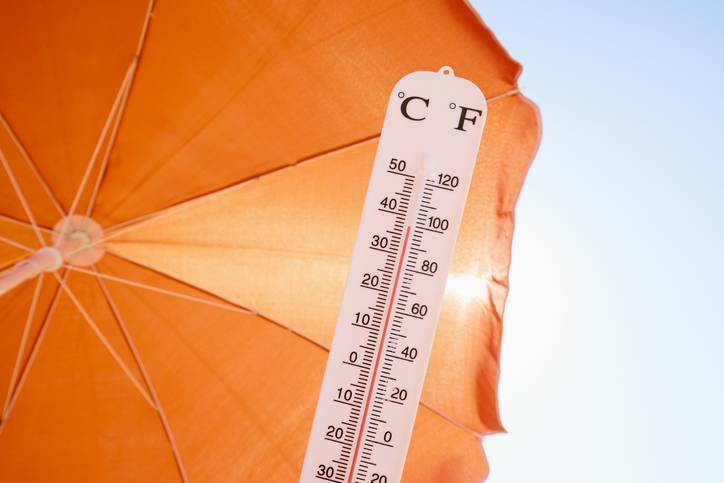
From record-breaking temperatures in Europe to wildfires in North America, extreme weather is affecting travel across much of the Northern Hemisphere. Conditions can change quickly, disrupting transport, closing tourist sites, and creating serious health and safety risks. If you're travelling overseas in the coming weeks, it's important to stay informed, follow local advice, and understand how severe weather could affect your plans.
Several countries are experiencing intense, back-to-back heatwaves. Wildfires burning in parts of Europe and North America are being exacerbated by the extreme heat.
If you're travelling to affected areas, stay informed and follow the advice of local authorities.
Extreme heat can be dangerous
Everyone can be affected by extreme heat, but babies, children, the elderly, those with existing health conditions or on certain medications, and people living alone are more at risk.
Periods of extreme heat can quickly lead to serious health problems, including:
- dehydration
- overheating
- heat exhaustion
- heatstroke.
Authorities in some destinations are advising residents and tourists to stay indoors during the hottest parts of the day and avoid outdoor attractions and activities. While it can be disappointing to change your travel plans, heat-related illness can be life-threatening if not treated promptly.
Read our advice on staying healthy during extreme weather conditions.
Many health problems caused by excessive heat can be prevented. See the Health New Zealand website for more information on preventing heat exhaustion and heat stroke, and what to do if things go wrong.
Wildfires can change quickly
Wildfires occur in many parts of the world and can spread rapidly with little warning.
The risks are not limited to the flames themselves. Travellers should also be aware of:
- Radiant heat, which can be felt well ahead of a fire front and can cause serious injury.
- Smoke and ash, which can travel long distances and affect air quality, particularly for people with respiratory conditions.
If you're visiting rural or remote areas, pay close attention to weather conditions and local fire warnings.
Before you travel
Before departing, make sure you:
- Read the travel advice for your destination and understand the natural hazards that may affect the area.
- Register your travel plans with SafeTravel.
- Check current conditions and consider whether it's safe to travel.
- Contact airlines, accommodation providers, and tour operators about any disruptions.
- Review your travel insurance and ensure it covers weather-related events and natural disasters.
- Sign up for local emergency or disaster alerts where available.
While you're overseas
If severe weather is forecast or develops during your trip:
- Monitor local news and weather updates.
- Follow instructions from local authorities, including evacuation orders.
- Stay in contact with your airline, tour operator, or accommodation provider.
- Keep family and friends informed of your situation.
- Ensure essential items, including travel documents and medications, are readily available in case you need to move quickly.
Stay informed
Natural disasters and severe weather can be difficult to predict and may develop rapidly.
Travellers should continue monitoring official information sources throughout their trip.
For country-specific safety information, read the relevant SafeTravel travel advisory and register for updates.
The Global Disaster Alert and Coordination System (GDACS) also provides information on major disasters worldwide, including cyclones, floods, wildfires, and other significant events. See current disaster alerts (GDACS).