Page updated 17 June 2026
Dengue fever outbreak in the Pacific
Health
Pacific
Page updated 17 June 2026
Several Pacific Island countries are reporting increased dengue activity. As of 11 June 2026, six Pacific Island Countries and Territories are reporting outbreaks - American Samoa, Kiribati, New Caledonia, Samoa, Tonga, and Tuvalu.
New Caledonia is currently the most affected location, with the highest number of reported cases so far in 2026. Dengue activity remains elevated across the Pacific.
From 1 January through 11 June 2026, more than 3,500 confirmed dengue cases, 156 hospitalisations, and three deaths have been reported across the region. Most cases have been reported in a small number of locations, particularly New Caledonia, the Cook Islands, Samoa.
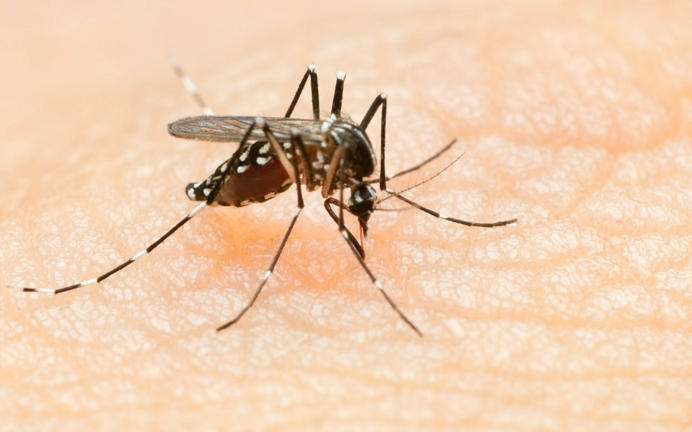
Dengue is a viral infection that spreads from mosquitoes to people. It is more common in tropical and subtropical climates.
Dengue is spread by mosquitoes that primarily bite during the day. Two types of dengue virus, DENV‑1 and DENV‑2, are currently circulating.
Dengue can be life threatening and people who have previously been infected with dengue are at an increased risk of developing severe dengue if they contract the virus again.
See our advice, including advice on preventing dengue fever here.
Take extra precautions to reduce your risk of dengue.
If you are unwell during your trip or in the first three weeks after your return from a country known to have dengue, seek immediate medical advice and tell your health professional about your travel.